

Professional Spotlight
Gyum Youn
Mentor - Interns
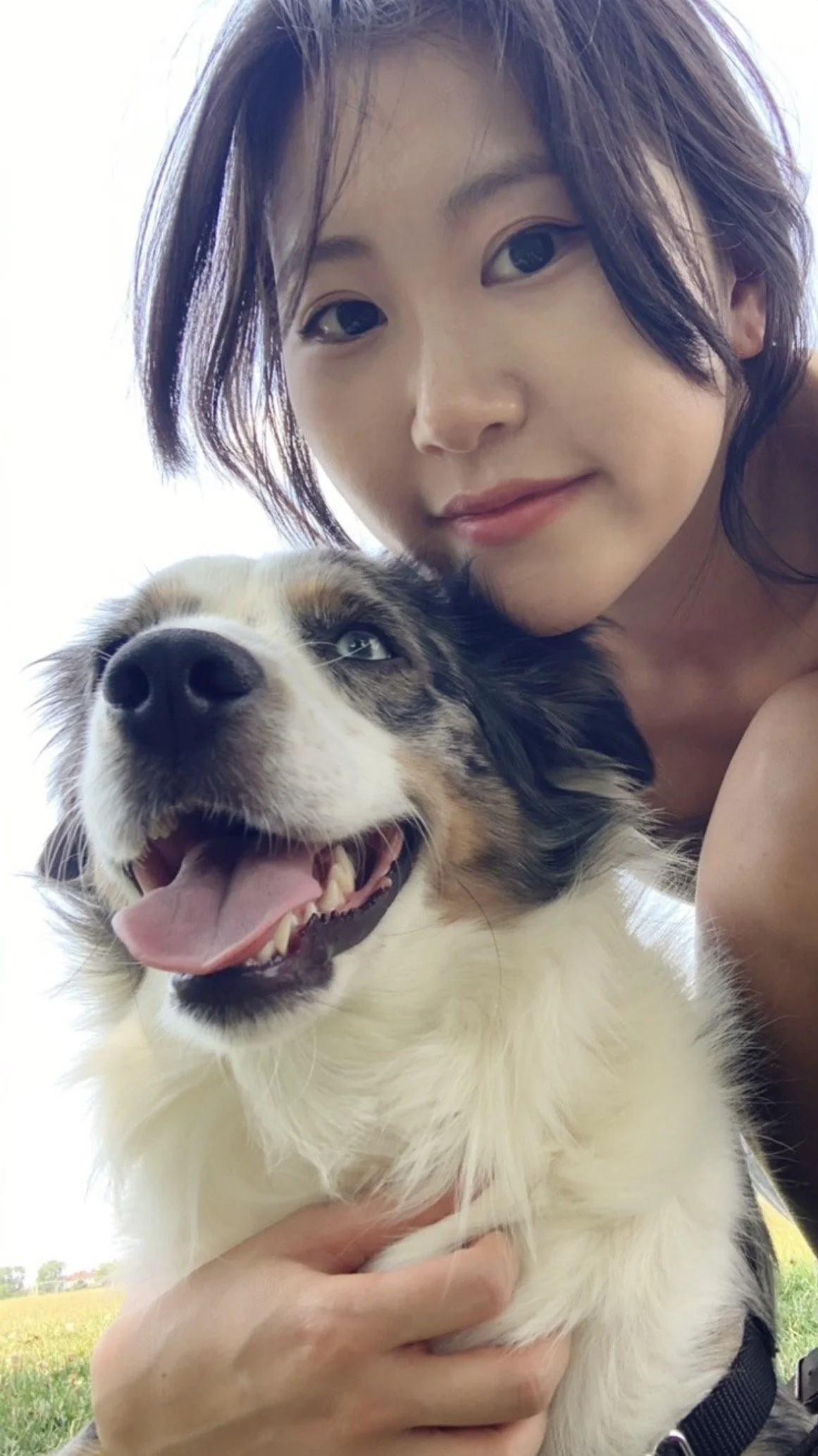
🌏 Korean 📍 New York City 🎓 School of Visual Arts
Gyum Youn is a multidisciplinary designer who graduated from the School of Visual Arts and has built her career across diverse creative environments in New York, Los Angeles, Boston, and Seoul.
She has worked on notable projects such as Urbanspace’s Makers Market, Night Market, and Holiday Market, hosted in iconic parks throughout New York City. She led rebranding efforts and produced both digital and print designs for these large-scale market events.
Gyum also collaborated with Amorepacific US Inc., where she led successful pop-up events in Soho NYC and Downtown Los Angeles. In these roles, she wore many hats, working across digital and print design, branding, art direction, visual merchandising displays, product video editing, 3D rendering, and spatial design.
She gained hands-on knowledge of e-commerce and social media content strategy while working at Instaco in Los Angeles. She began her professional journey at Simmer Group in New York City, where she developed strong foundations in digital and print graphic design, art direction, and photoshoot production.
Born and raised in Korea, Gyum moved to the United States on her own to pursue her academic goals. She graduated from Pope John XXIII High School in Boston, where she founded and led an art club and received multiple awards in fine arts. She later moved to New York City to fully dedicate herself to her passion for design—a journey that continues today.
Passionate about mental health, Gyum serves as a Mentor for the Thriving Asians Youth Mental Health Leadership Programs - supporting college students of the Strategic Engagement Intern Team.
Spotlight Interview
How did your early enviornment affect your mental health?
Growing up in South Korea’s rigid, grade-focused education system made me feel constrained and disconnected from myself. There was little space for self-expression, which quietly impacted my sense of identity and emotional well-being at a young age.
What motivated you to move to the U.S., and how did that decision affect you emotionally?
Moving to America at 15 was both terrifying and liberating. At the time, I didn’t fully realize it, but I was seeking emotional freedom as much as academic opportunity. The experience forced me to grow up quickly, face my fears, and learn to rely on myself in ways I hadn’t before.
How did living in a new environment shape you and influence your emotional independence?
Living with culturally diverse host families taught me independence, adaptability, and new ways of expressing myself. It was incredibly liberating and helped me develop my own study skills and confidence that went far beyond what I had known before. Being away from my family’s protection was painful at times, but it ultimately helped me build resilience, self-trust, and healthier coping skills.
How did language barriers and cultural differences impact your mental health?
Early on, not speaking English fluently often made me feel vulnerable and exposed, but I learned to embrace my uniqueness. I found joy in expressing my identity and personality in the classroom, and that shift helped me reclaim confidence in expressing who I am.
How did exposure to different cultures affect you?
Meeting people from many cultures gave me fresh perspectives on life and brought profound shifts in how I saw myself and the world. It broadened my understanding of identity, belonging, and humanity.
What challenges did you face in your journey?
I faced many vulnerable moments—language barriers, cultural differences, racism, the loss of loved ones, strained relationships, workplace hierarchy, job loss, unstable settlement, and financial hardship. These challenges humbled me and forced me to reflect deeply on my life. They also made me examine my upbringing, my culture, and long-buried childhood wounds.
What did you learn from those challenges?
I’ve hit rock bottom several times, and at first it was rough—it felt like my armor was breaking apart. I felt physical pain from emotional heartbreak and from losing things I wasn’t ready to let go of. At the time, it felt endless. But as I gained clarity and learned to regulate my nervous system through healthy routines, I was able to stand back up sooner each time. Looking back, those experiences were blessings in disguise that made me stronger, helped me understand myself more deeply, and played a role in shaping who I am today.
In what ways did hardship become a form of healing?
Hardship forced me to confront parts of myself I had long ignored. Over time, I realized that these struggles were shaping me, not breaking me, and I began to feel gratitude for the growth they brought. Through it all, I gained the strength to acknowledge my endurance, remain kind, and stay bright in the world.
What influenced your mental and emotional healing, and what lessons did you learn?
Soda is my beloved dog, he helped me rediscover the true meaning of life. Watching him simply enjoy warm days on the grass, rainy afternoons, snowy walks, and new scents taught me the beauty of being fully present. He greets new friends without hesitation and lets go without holding onto sadness. Through him, I learned to stop clinging to an imperfect past or worrying about the future. I realized that happiness isn’t something to be achieved—it already exists in everyday life for everyone.
Where are you now in your journey?
I continue my journey with gratitude, keeping my heart and door open to new opportunities and connections. Sharing that openness with my family, friends, and community has become an essential part of my healing.
Project Photos
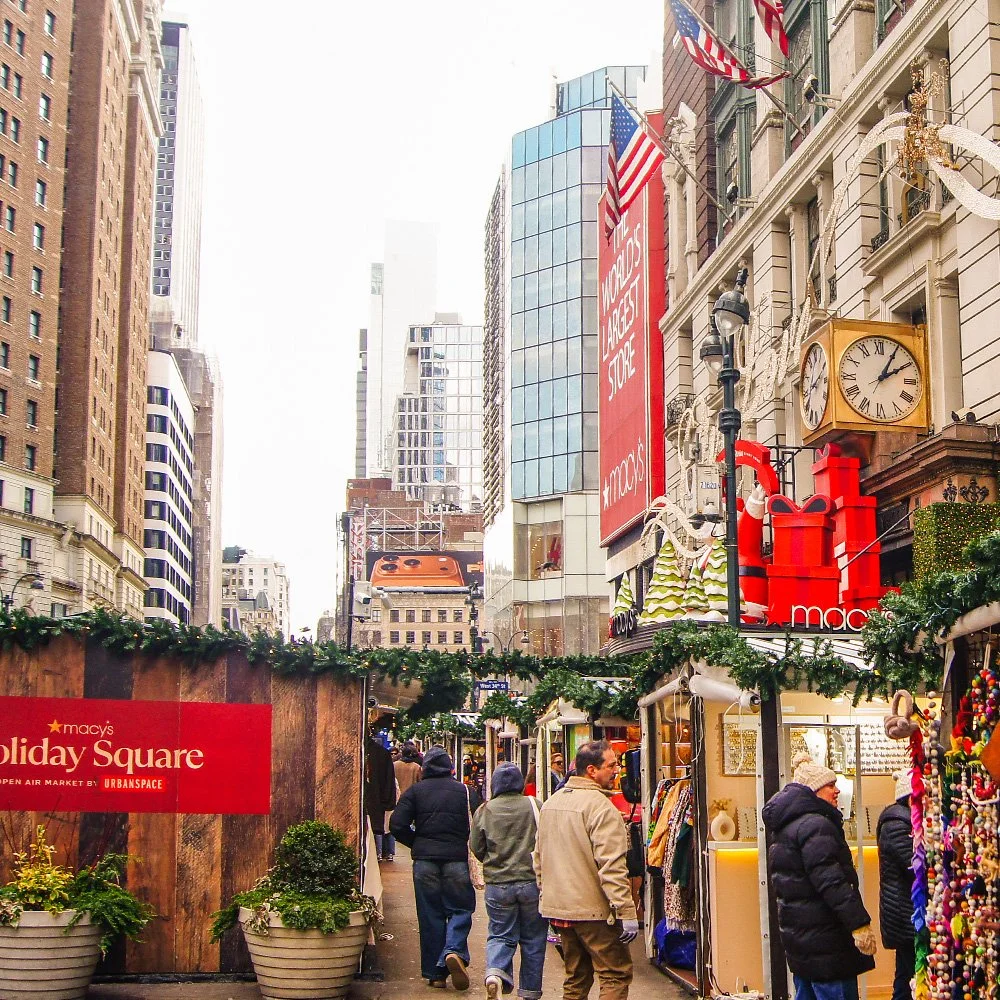
Macy's Holiday Square Outdoor Market By Urbanspace @ Herald Square
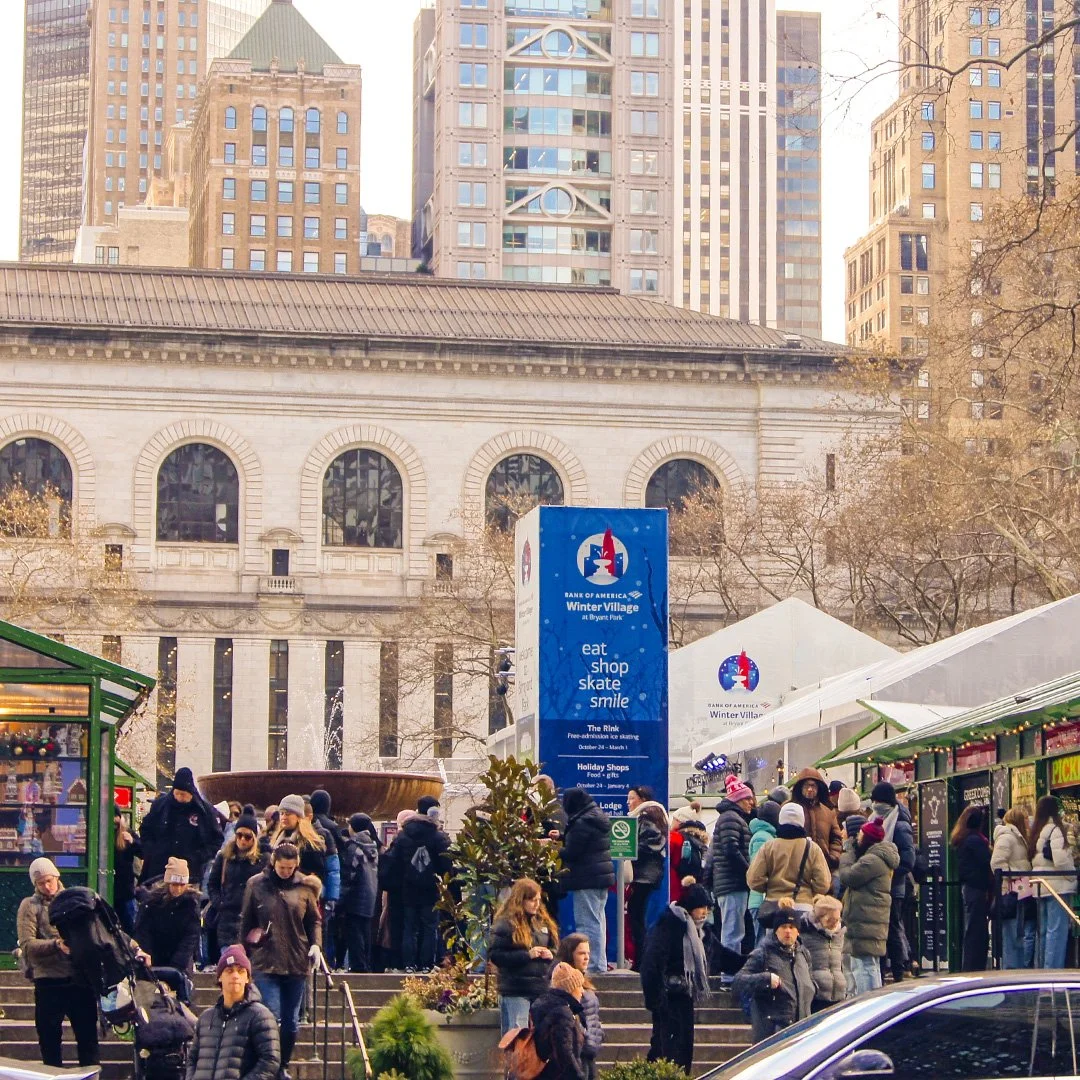
Bank Of America Winter Village @ Bryant Park
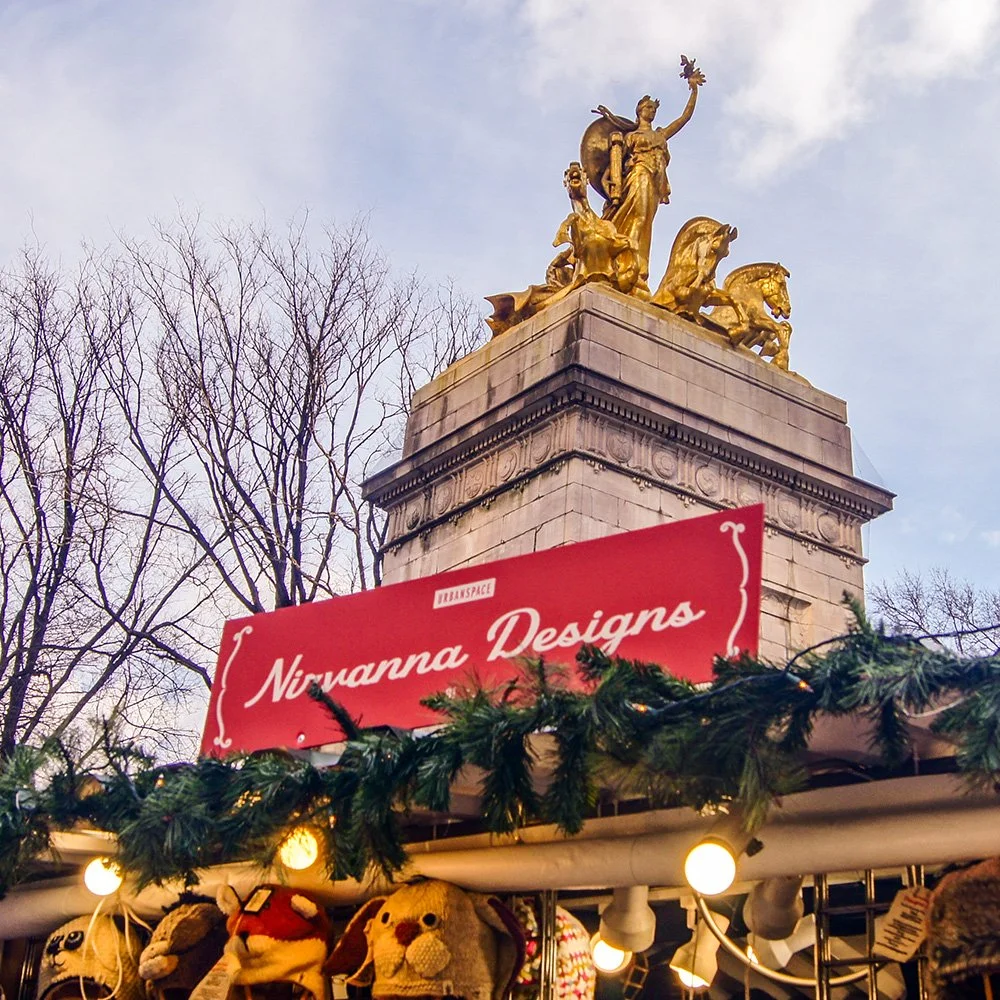
Columbus Circle Holiday Market
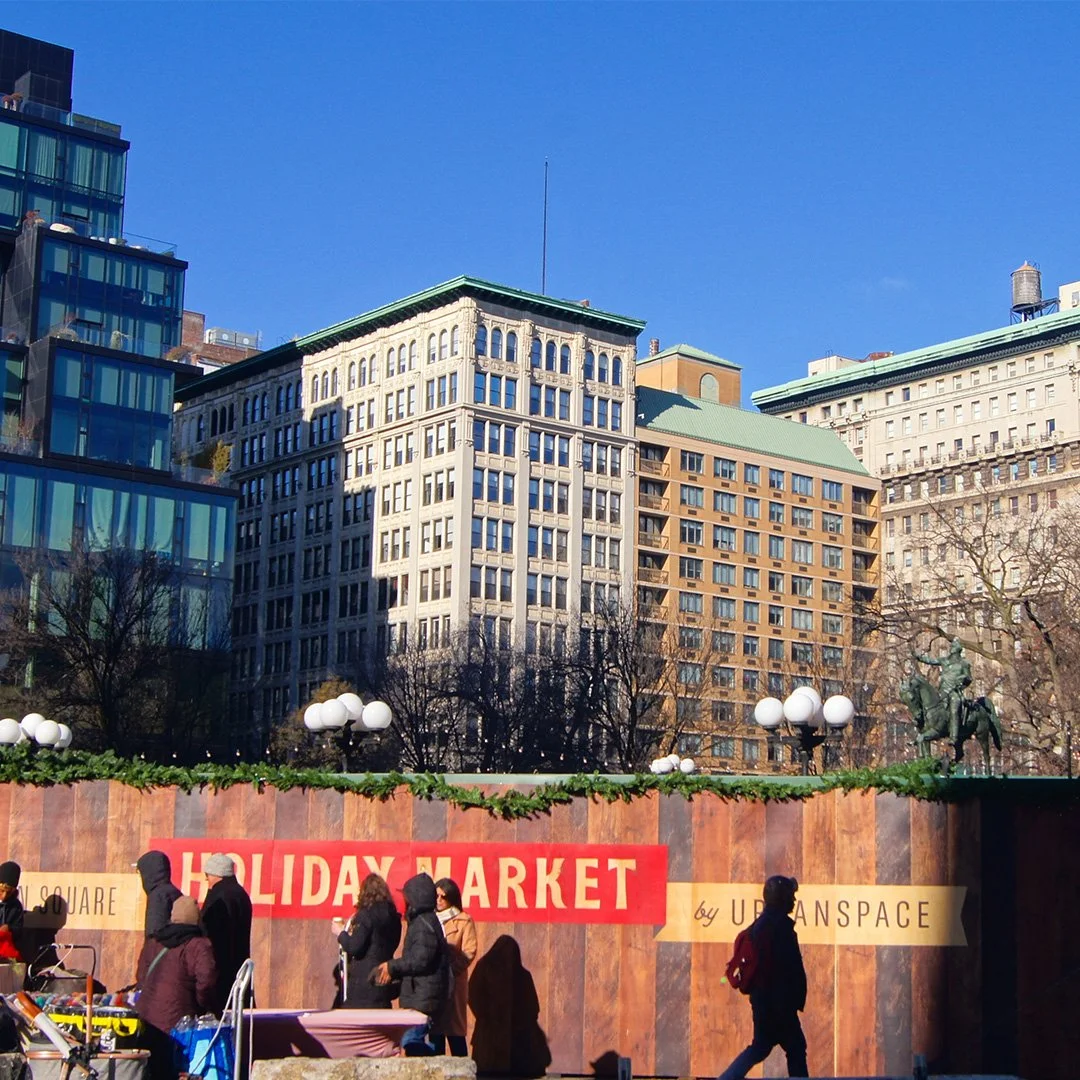
Union Square Holiday Market
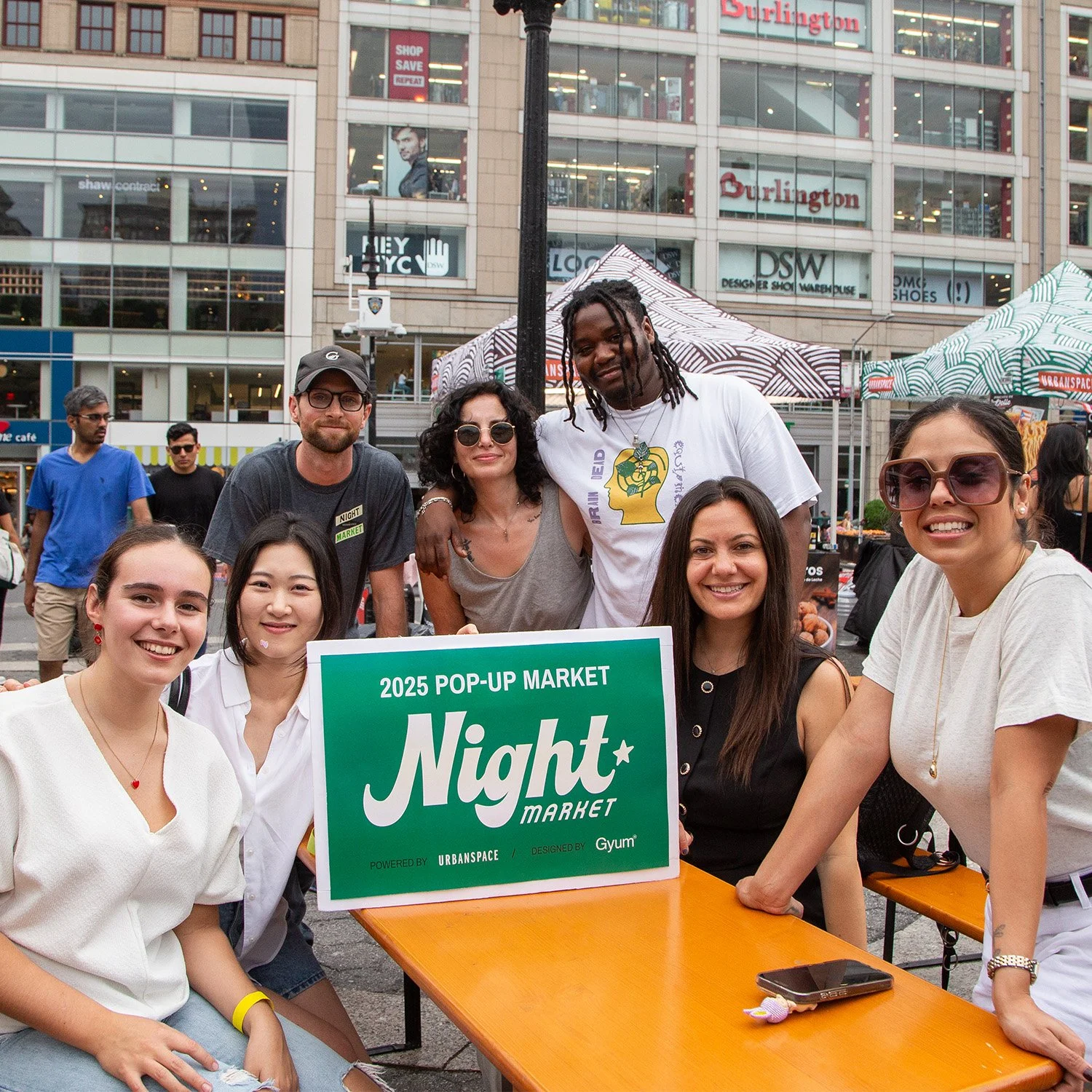
UrbanSpace's Night Market @ Union Square
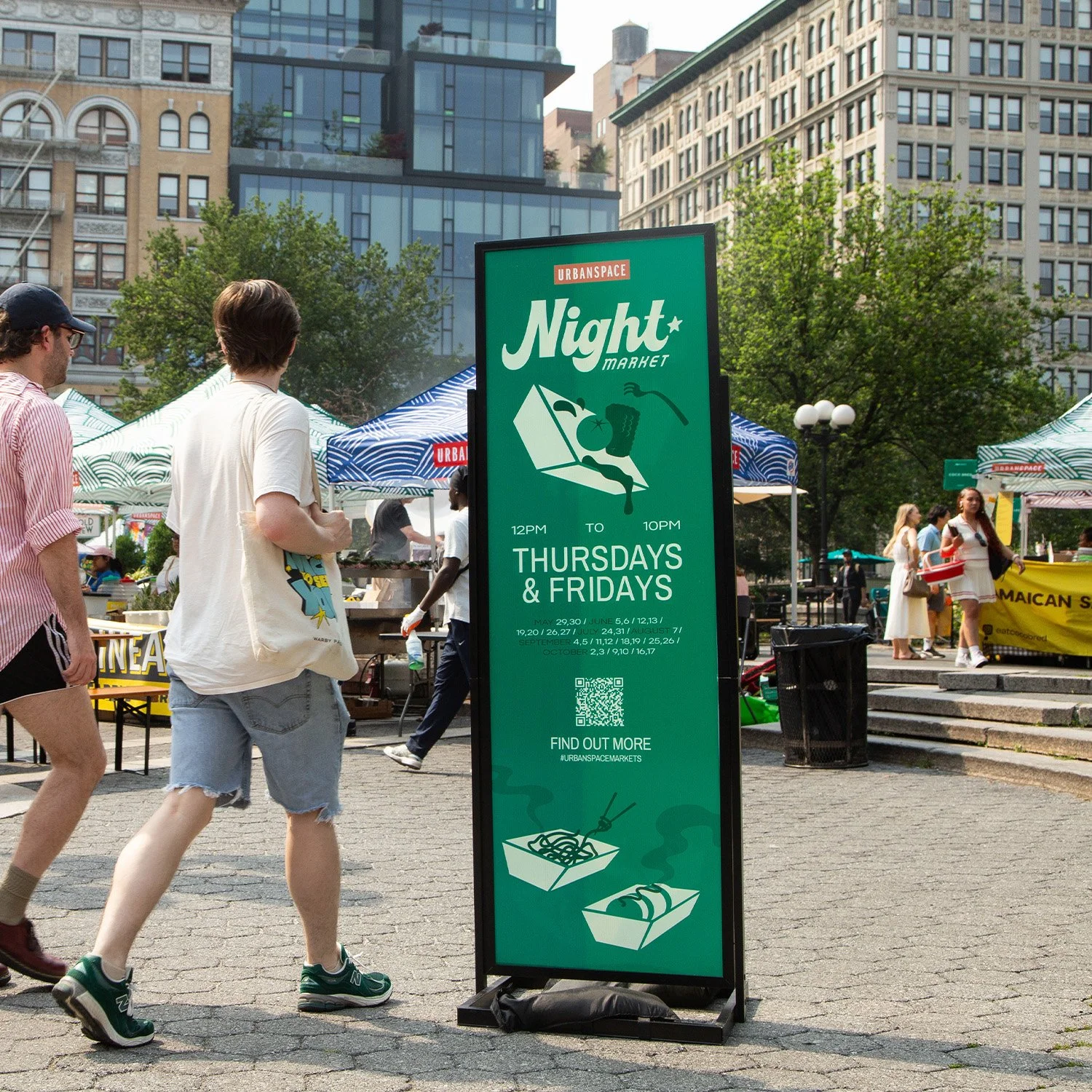
UrbanSpace's Night Market @ Union Square
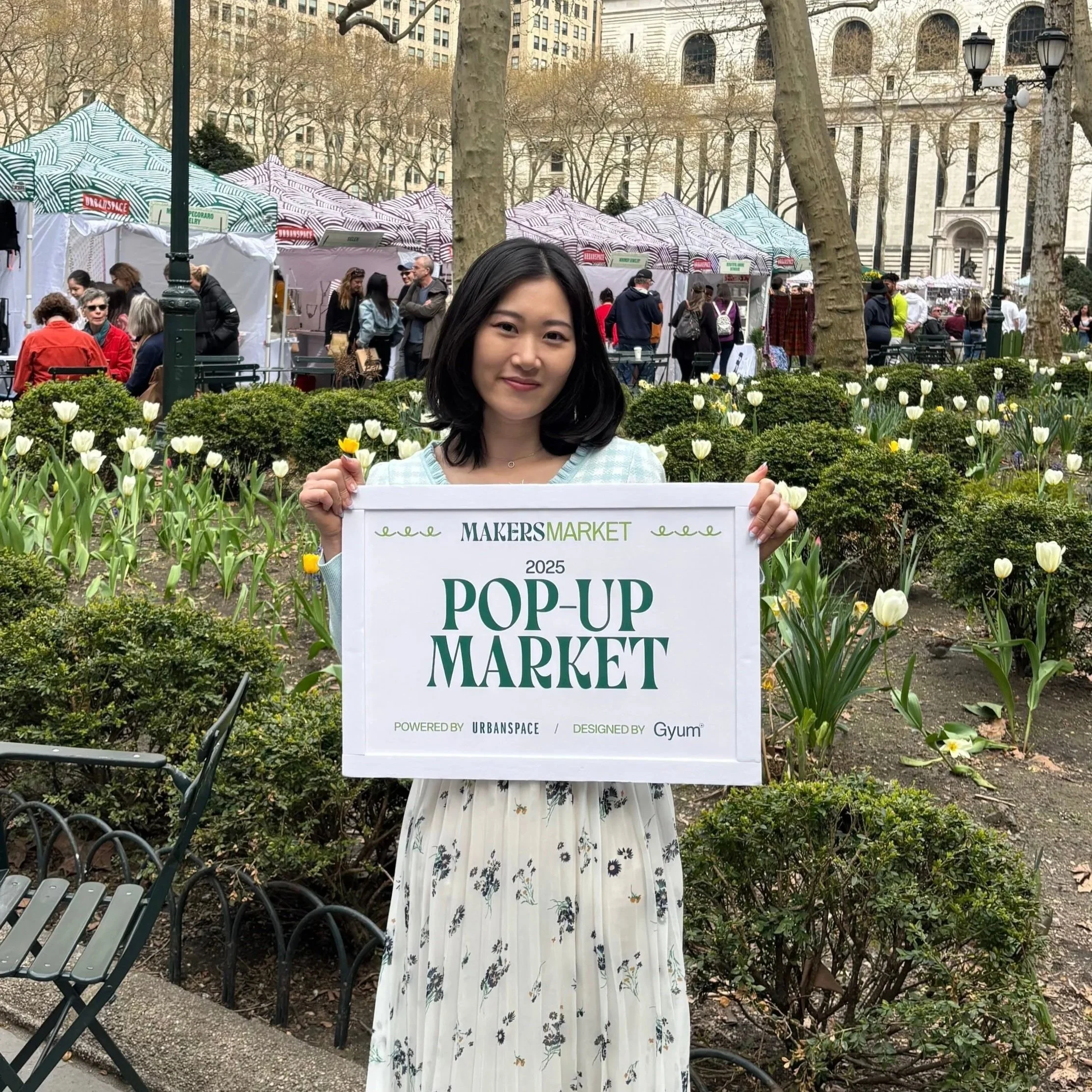
UrbanSpace's Makers Market @ Bryant Park
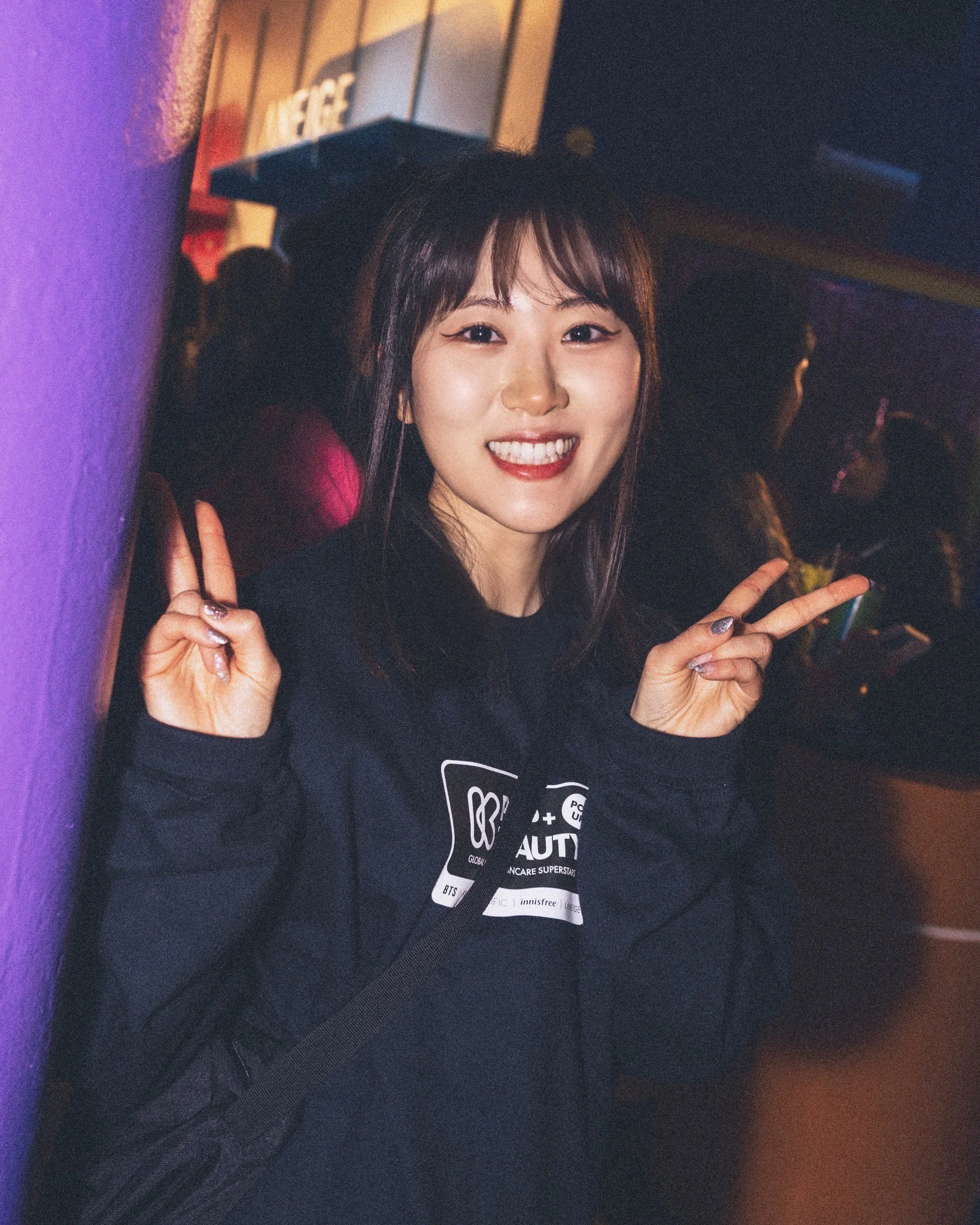
K-Pop & Beauty Pop Up Event in Soho NYC
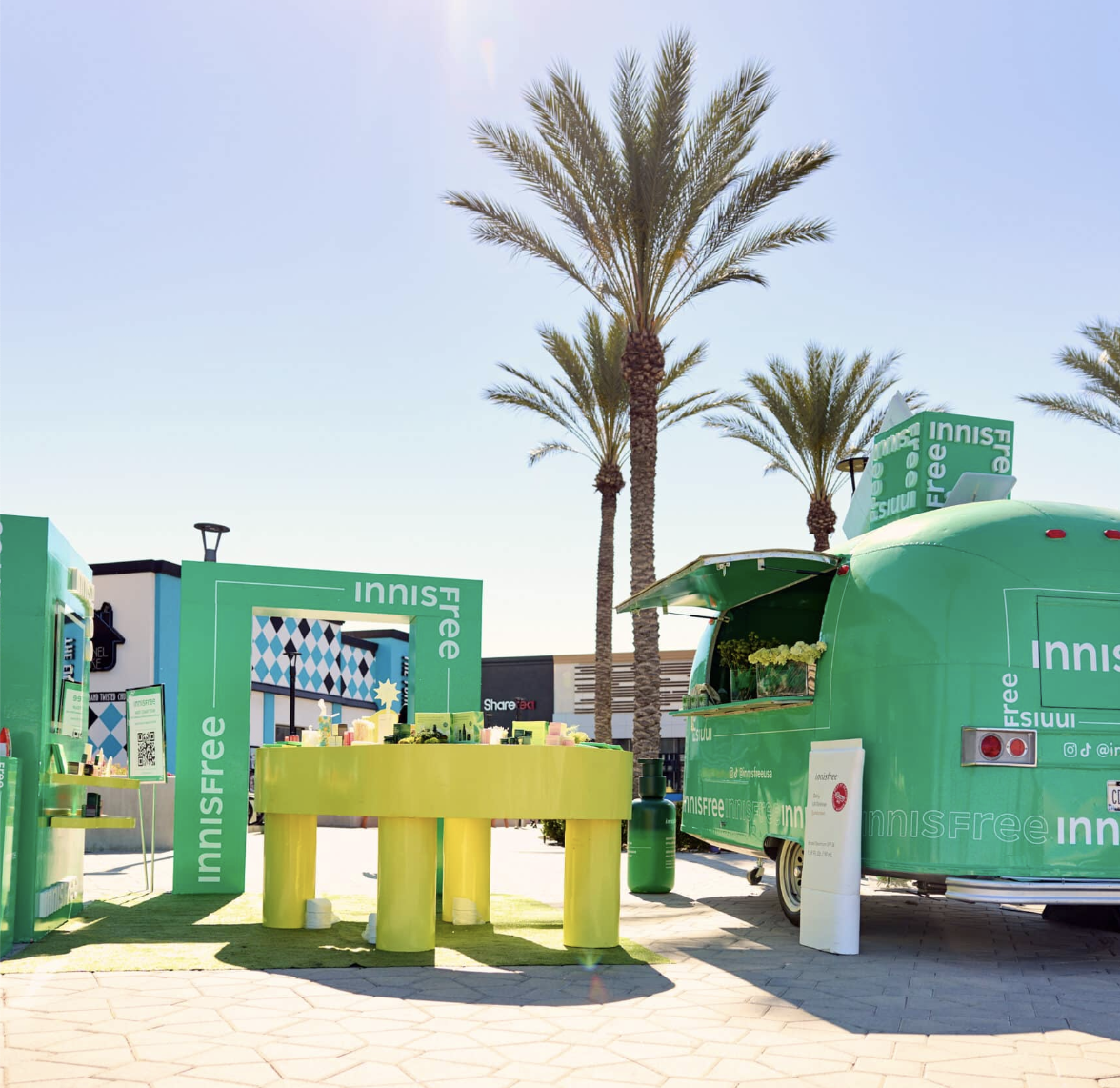
Innisfree "New Isle" West Coast Tour
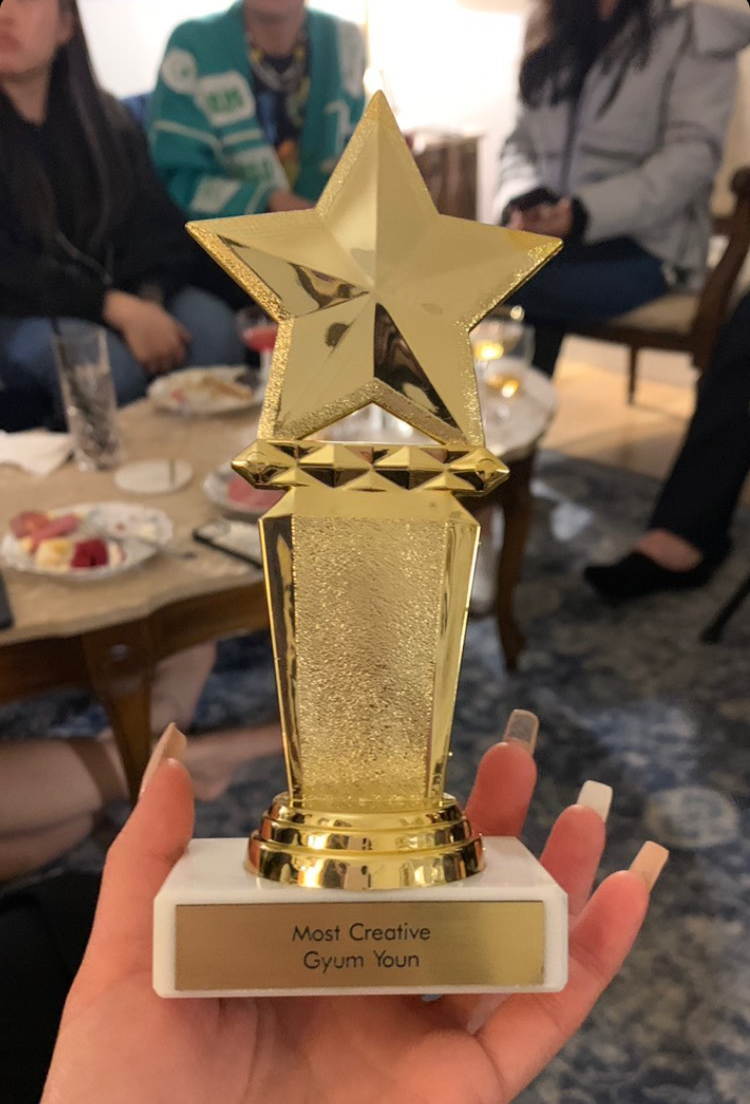
Amorepacific US - Design Team Award

K Beauty Seoul to SoCal Pop Up Event in DTLA
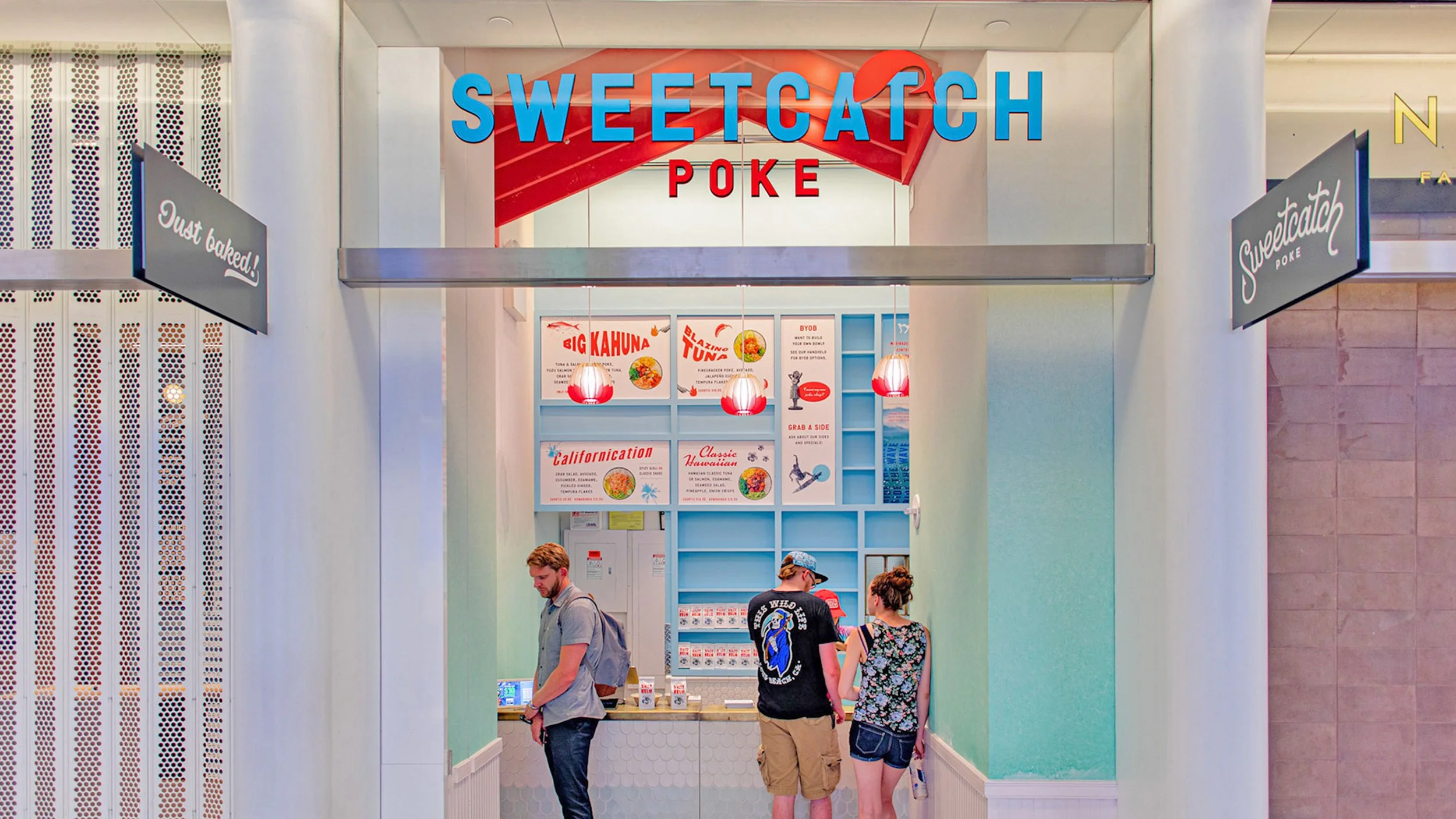
Simmer Group - SweetCatch